Sewage Cleanup
Sewage backups aren't a job for a mop and a pair of household gloves — contaminated water has to be handled by people equipped to do it safely.
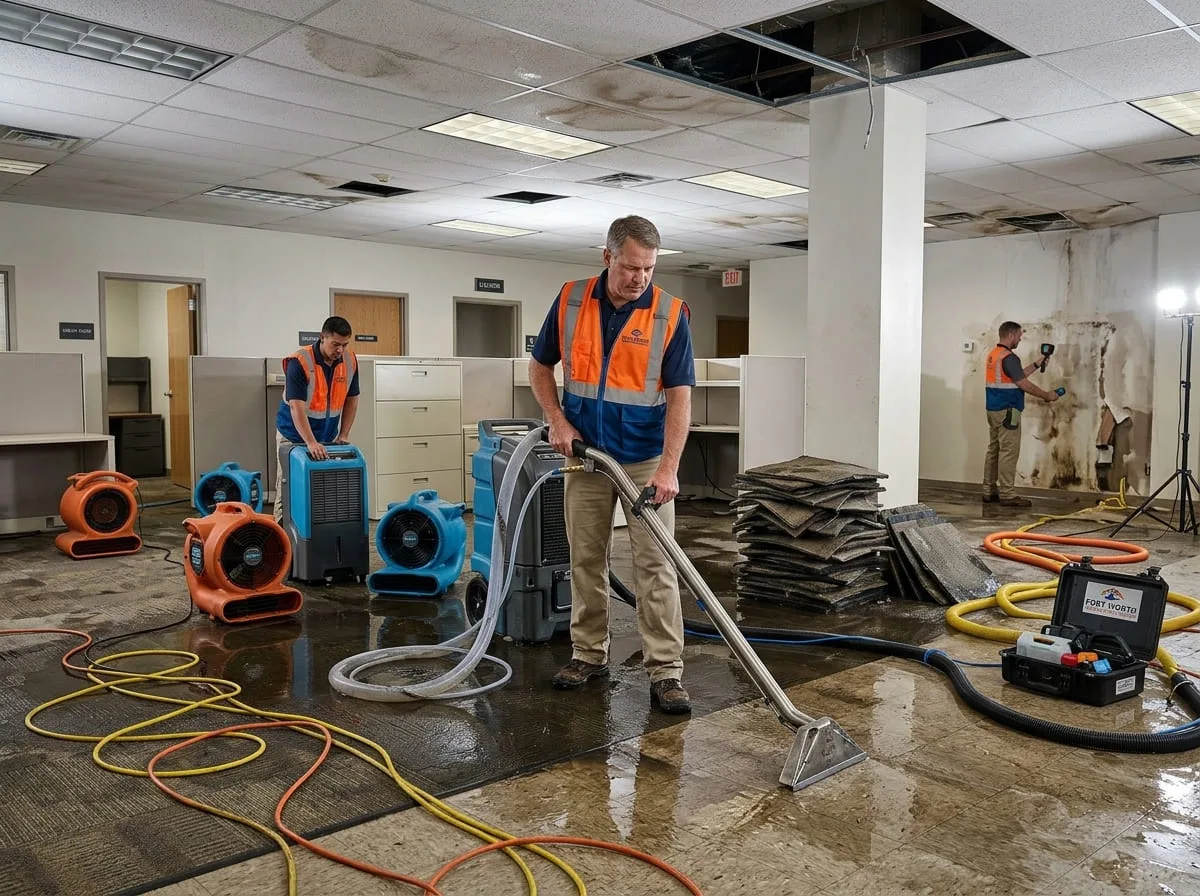
A sewage backup is different from almost any other kind of water damage, because the water itself is the hazard. Category 3 water — the classification used for sewage and other grossly contaminated water — can carry bacteria, viruses, and other pathogens capable of causing real illness. That changes not just how cleanup is done, but who should be doing it.
Access to IICRC-certified restoration expertise matters specifically here: proper sewage cleanup calls for personal protective equipment, containment to stop contamination from spreading to unaffected areas, and specific decisions about what can be disinfected versus what has to be removed and discarded. None of that is something a property owner should attempt without the right training and gear.
Common Causes of Sewage Backups
- Main sewer line blockages, often from tree roots or aging clay pipe
- Municipal sewer system surcharge during major storm events
- Blocked or failing sump pumps and ejector systems
- Toilet or drain line clogs that back up rather than drain
- Aging or collapsed sewer laterals on older properties
Signs You May Have a Sewage Backup
A sewage backup is usually hard to miss once it's happened, but early warning signs are worth knowing. Multiple drains backing up at once — a toilet gurgling when the washing machine drains, for example — often points to a main line blockage rather than an isolated clog. A persistent sewage odor, slow drainage across several fixtures, or water backing up into a shower or floor drain are all reasons to stop using water in the building and call for an assessment before the situation gets worse.
What to Do — and What Not to Do — Before Help Arrives
Because sewage-contaminated water carries a real health risk, the right response looks different from a typical leak:
- Keep people and pets away from the affected area entirely
- Avoid any direct contact with the water or affected materials — no wading in, no handling wet items barehanded
- Stop using water in the building where possible so you don't add to the backup
- Ventilate the area if it can be done without walking through contaminated water
- Do not attempt to clean sewage-contaminated materials without proper protective equipment — this is not a job for household gloves and a mop
How Sewage Cleanup and Disinfection Work
Cleanup begins with containing the affected area to prevent contamination from spreading further into the property, followed by extraction of the contaminated water using equipment dedicated to that purpose. Porous materials that had contact with sewage — carpet, padding, insulation, and often the lower portion of drywall — are typically removed and discarded rather than cleaned, since they can't be reliably decontaminated. Hard, non-porous surfaces are cleaned and disinfected in place. The final phase is structural drying, monitored over several days, followed by odor and air quality checks before the space is considered restored.
That disposal and cleanup work is carried out by trained, insured technicians following standard safety and containment protocols for contaminated water, not general cleaning staff.
What Materials Usually Can't Be Saved After Sewage Contact
It's worth being direct about this rather than suggesting everything can be salvaged: carpet and carpet padding exposed to sewage almost always need to be discarded, as does most upholstered furniture and any wet insulation. Drywall that was submerged or splashed with contaminated water is typically cut out at least a foot above the waterline. Solid surfaces like tile, sealed concrete, and some hardwood can often be cleaned and disinfected successfully, but the porous materials that soak up contamination are generally treated as a loss.
Frequently Asked Questions
Is it safe to clean up sewage myself?
No — sewage cleanup shouldn't be handled without proper personal protective equipment and containment procedures. Category 3 water can carry bacteria and pathogens that pose a genuine health risk, and household cleaning supplies aren't designed for that level of contamination.
What should I do if sewage backs up into my home?
Keep people and pets out of the affected area, avoid any direct contact with the water, stop using water in the building if possible, and call for an assessment. Don't attempt to clean it up without proper protective equipment.
Can carpet be saved after sewage contamination?
Generally, no. Carpet and its padding absorb contamination in a way that can't be reliably disinfected, so they're typically removed and discarded rather than cleaned, even when the carpet itself looks fine on the surface.
Why does sewage-contaminated material often need to be removed rather than dried?
Porous materials like drywall, insulation, and carpet padding hold onto contamination even after they dry out. Drying alone doesn't remove bacteria or pathogens the way proper disinfection or disposal does, which is why removal is often the safer, more reliable choice for those materials.
Do restoration professionals work with insurance on sewage backup claims?
Insurance claim assistance is available through the restoration professionals handling the cleanup, including documentation of the contamination and the materials that had to be removed.
Sewage Backup Isn't a DIY Job
Contaminated water needs to be contained, removed, and disinfected properly — get a trained crew on the way.
Request Water Damage Service