
Flood Damage Cleanup
Fort Worth flooding tends to arrive fast and heavy rather than build slowly — cleanup has to move at the same pace.
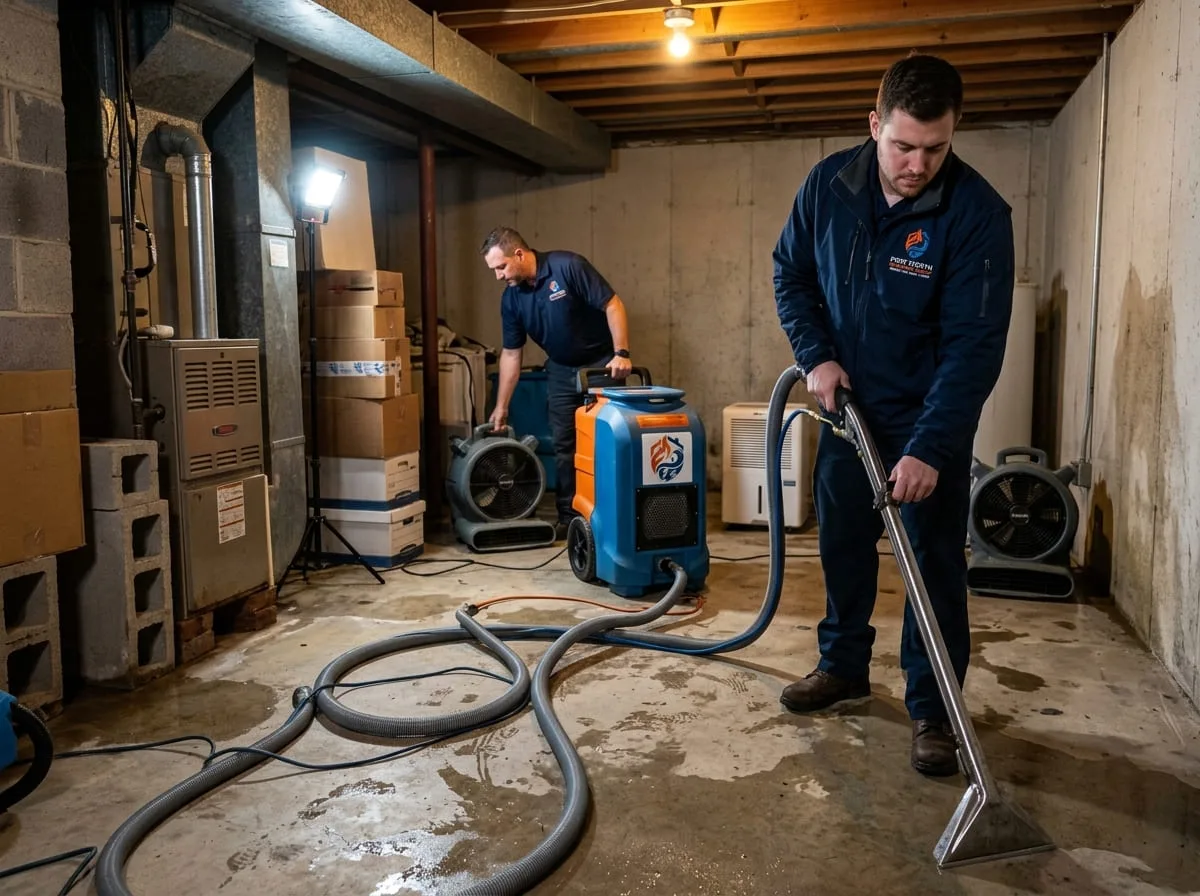
Most flooding in Fort Worth isn't the slow-rise river flooding that gives weeks of warning. It's flash flooding, tied to intense spring and fall thunderstorms that can drop several inches of rain in a short window. Smaller creeks across Tarrant County — Marine Creek, Sycamore Creek, Village Creek, Big Fossil Creek and others — carry their own localized flood risk after heavy rain, on top of the more significant river-flood exposure near the Trinity River's Clear Fork and West Fork confluence downtown.
Whatever the source, flood cleanup is different from a typical leak or pipe failure. Floodwater often carries contamination from soil, runoff, or backed-up drainage, it frequently affects more than one room, and it can arrive with enough force to push water into places a slow leak never would.
What Causes Flood Damage Across Tarrant County Properties
Flood damage in this area typically traces back to a handful of recurring patterns:
- Flash flooding from intense frontal thunderstorms overwhelming yard and street drainage
- Creek and drainage channel overflow after sustained heavy rain
- Storm sewer backup during high-volume rain events
- Grading or foundation issues that direct rainwater toward a structure instead of away from it
- Wind-driven rain entering through storm-damaged roofing or siding during the same weather system
Why Waiting Even a Day Makes Flood Cleanup Worse
Floodwater rarely stays clean, and it rarely stays where it started. The longer it sits, the further it wicks into drywall, baseboards, cabinetry, and subfloor, and the more likely bacteria and mold have a chance to establish themselves in wet materials. In North Texas's warm, humid stretches, that window can be shorter than people expect. A room that could have been dried and saved on day one may need drywall, flooring, and insulation removed by day three.
What Flood Damage Cleanup Involves
Cleanup starts with an assessment of how much water is present, how contaminated it appears to be, and how far it has traveled — often further than what's visible at floor level. Standing water is extracted first, followed by removal of any materials that can't be safely dried, such as saturated carpet padding, wet insulation, or drywall that was in contact with contaminated water. The remaining structure is then dried with air movers and dehumidifiers, with moisture levels checked over several days rather than assumed from a single visit. Cleaning and sanitizing surfaces that had contact with floodwater is part of the same process, not a separate step.
That entire sequence, from initial extraction through final drying and cleaning, is work performed by licensed and insured restoration professionals rather than general cleanup crews.
What Typically Can Be Saved After a Flood — and What Can't
Solid surfaces like tile, sealed concrete, and some hardwood can often be cleaned and dried if the water is addressed quickly and wasn't heavily contaminated. Carpet exposed to floodwater is frequently not salvageable, since it's difficult to fully decontaminate. Drywall, insulation, and baseboards that were submerged usually need to be cut out and replaced, particularly in the lower foot or two of a wall where water sits longest. It's honest to say that not every material makes it through a flood loss — the goal of a fast response is minimizing how much falls into that category, not guaranteeing everything survives.
Before Crews Arrive, and What to Avoid
A few precautions matter more with flooding than with a typical leak, because of the contamination risk:
- Avoid walking through standing floodwater, especially if it's near outlets, appliances, or a breaker panel
- Don't run air conditioning or fans through a flooded area before it's assessed — it can spread contamination
- Photograph the damage from a safe vantage point for insurance purposes
- Keep children and pets out of affected areas until the water has been evaluated
- Move salvageable belongings to a dry area only if it can be done without entering standing water
Frequently Asked Questions
Is floodwater always contaminated?
Not always, but it's treated as potentially contaminated unless proven otherwise, since it can carry runoff, soil, chemicals, or sewage depending on where it came from. That assumption drives how cleanup and disposal decisions are made.
Should I go into a flooded room to check the damage?
Only if it's clearly safe to do so — no visible electrical hazard and no risk of structural instability. If there's any doubt, wait for a professional assessment rather than wading into standing water.
Will flood damage always require removing drywall?
Not always, but it's common, especially in the lower portion of walls where water sits longest and contamination is most likely to have soaked in. A moisture and contamination assessment determines what can be dried versus what needs to come out.
Does homeowners insurance cover flood damage?
Coverage depends on the policy and the source of the water — standard homeowners policies often exclude rising floodwater without a separate flood policy, while damage from a covered peril like a storm-damaged roof may be treated differently. Insurance claim assistance through the restoration professionals can help document the loss regardless of how coverage ultimately applies.
How is flash flood cleanup different from cleaning up a plumbing leak?
Flash flooding typically affects a larger area, carries a higher contamination risk, and often arrives alongside storm damage to the structure itself, such as roof or window damage. The cleanup process addresses extraction and drying either way, but flood response usually involves more assessment of contamination and structural safety.
Floodwater Doesn't Get Better Overnight
The sooner extraction and drying start, the more of the property has a real chance of being saved.
Call Now for Water Damage Help