Water Damage Restoration in Fort Worth, TX
Standing water, a burst pipe or a slow leak behind a wall doesn't wait for business hours, and neither does the response. Get connected with a restoration crew serving Fort Worth and Tarrant County, day or night.
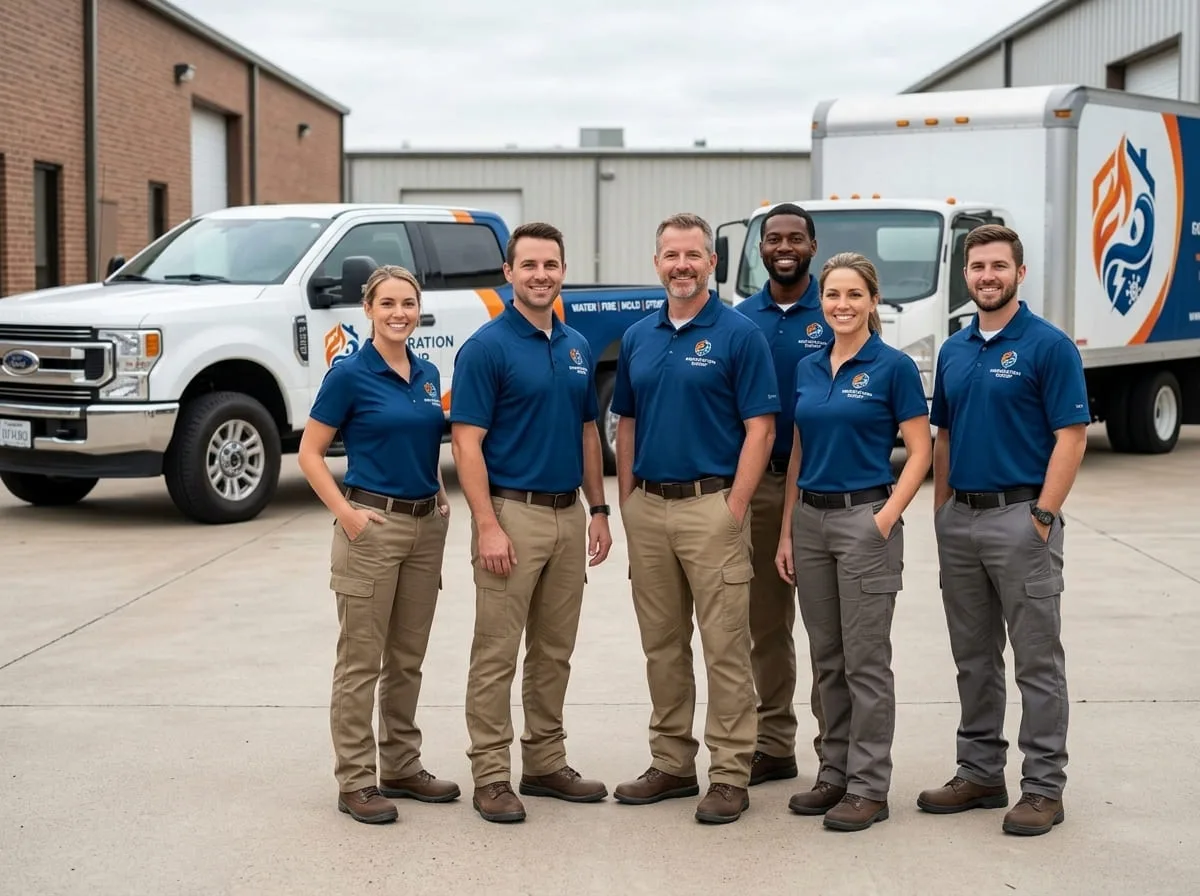
Every call is routed to experienced restoration crews serving Fort Worth, equipped for 24/7 emergency response and licensed for the work they perform.
Restoration Services
Water Damage Restoration
Emergency extraction, structural drying and moisture mapping for burst pipes, flooding, sewage backups and storm intrusion.
Learn more →Fire Damage Restoration
Board-up, smoke and soot cleanup, odor removal and fire damage reconstruction after a house or commercial fire.
Learn more →Mold Remediation
Inspection, testing, containment and remediation for mold growth found after a leak, flood or long-standing moisture problem.
Learn more →What to Do Right Now
- If it's safe to reach, shut off the water at the fixture valve or the main to stop more water from entering the space.
- Stay out of standing water near outlets, light fixtures or appliances until the power to that area is confirmed off.
- Call for emergency water damage help so extraction can start before flooring, drywall and baseboards absorb more water.
- Move furniture, rugs, electronics and valuables out of the affected area if you can do it without stepping into standing water.
- Photograph the damage room by room before any cleanup starts, since this documentation matters for an insurance claim.
- For a small, contained spill, blot up what you can with towels or a wet/dry shop vac rather than a household vacuum.
- Open windows or run a fan if it's safe, since slowing saturation in the first hour makes a real difference to what can be dried versus removed.
Why Fast Water Extraction and Drying Matter
Restoration professionals generally classify water losses by how contaminated the water is, and by how long materials have been wet. Clean water from a supply line can turn contaminated within a day or two once it sits against soil, carpet backing or absorbent building materials, and drywall, insulation and subflooring all start breaking down well before they look ruined to the eye. Waiting even overnight can turn a drying job into a demolition job.
North Texas humidity makes the clock run faster, not slower. Long, humid stretches through a Fort Worth summer mean wet materials that aren't actively dried have less of a chance to dry on their own, which is exactly the condition mold needs to take hold. Getting extraction equipment and air movers on site quickly is less about convenience and more about keeping a water loss from becoming a mold problem on top of a water problem.
How the Restoration Process Works
- Initial Call and Assessment — The call covers what's happening, where the water is coming from, and what's safe to do before anyone arrives. This is also when a crew gets dispatched for an active loss.
- Identifying and Stopping the Source — Where it falls within the scope of the job, the source of the water gets identified and stopped, whether that's a supply line, an appliance connection or an active roof leak.
- Water Extraction — Standing water is removed with pumps and extraction equipment sized to the loss, from a single wet room to a fully flooded lower level.
- Moisture Inspection and Mapping — Moisture meters and thermal imaging are used to find water that has migrated into wall cavities, under flooring or behind baseboards, not just what's visible on the surface.
- Removal of Unsalvageable Materials — Saturated drywall, insulation, carpet padding or subflooring that can't be reasonably dried is removed. Not every material can be saved, and a straightforward answer about what has to come out is part of a responsible process.
- Air Movement and Dehumidification — Air movers and dehumidifiers are placed to dry framing and remaining building materials, not just the surfaces that look wet.
- Monitoring, Cleaning and Sanitation — Moisture levels are checked over the following days until materials reach a safe drying standard, with cleaning and sanitizing steps applied where contamination is a factor.
Residential & Commercial
Residential Water Damage Restoration
Most homes across Fort Worth and Tarrant County sit on post-tension slab foundations, a response to the region's expansive clay soils, so a water loss usually means saturated flooring, baseboards and lower drywall at ground level. In the older, historic-core neighborhoods near downtown and TCU, a real minority of homes are pier-and-beam with genuine crawl spaces, which changes how moisture behaves and how it's addressed. Either way, the response is scaled to the home: extraction, drying equipment sized to the affected rooms, and a plan for what can be dried versus what needs to come out.
Commercial Water Damage Restoration
A water loss inside a business carries a different kind of urgency, since every day the space is unusable is a day of lost operation. Commercial response is built around getting extraction and drying equipment on site quickly, working around building systems and tenant schedules where possible, and documenting the loss thoroughly enough to support a commercial insurance claim.
Common Causes of Water Damage
- Burst or failed supply lines, especially the aging galvanized pipe still common in Tarrant County's mid-century housing stock
- Water heater failures and slow tank leaks
- Washing machine, dishwasher, ice maker and refrigerator line failures
- Roof leaks and wind-driven rain during North Texas thunderstorms
- Hail damage that compromises roofing and lets water into the attic or interior
- Sewage backups from a blocked private line or municipal main
- Slab leaks under post-tension foundations
- Frozen and burst pipes during hard-freeze events
Why Choose This Network
- One call connects a property owner to a restoration crew set up for immediate extraction and drying, not a scheduling queue.
- The process is built around stopping the source and starting extraction first, then working through the details of the loss.
- Restoration partners carry moisture-mapping equipment to find water that has migrated behind walls or under flooring, not just what's visible.
- Direct familiarity with the region's building types, from post-tension slab homes to the pier-and-beam construction found in Fort Worth's older neighborhoods.
- Insurance claim assistance is available through the contractor handling the job, so the paperwork side isn't left to the property owner alone.
- Dispatch runs 24 hours a day, because water damage doesn't wait for a Monday morning.
Areas We Serve
Emergency water, fire and mold calls are routed to restoration professionals throughout Fort Worth and Tarrant County, including:
Insurance claim assistance is available through the restoration contractor handling the job, including documentation and direct communication with your adjuster.
Frequently Asked Questions
How quickly should water be removed from a home or business?
As soon as it's safe to do so. Extraction within the first few hours limits how far water spreads into flooring, drywall and framing, and materials that stay wet past a day or two are far more likely to need removal rather than drying.
Can wet drywall be dried and saved?
Sometimes. Drywall that's only damp near the base and dried quickly can often be saved, but drywall that's been saturated, softened or exposed to contaminated water usually needs to be cut out and replaced. A moisture reading, not a visual check, is what determines this.
How do you know if water has gotten behind a wall or under flooring?
Restoration professionals use moisture meters and thermal imaging to check materials that look dry on the surface. Hidden moisture is common after a slow leak, and finding it early is what prevents a mold problem later.
Should the electricity be turned off after a flood?
If water has reached outlets, switches or any wiring, avoid the area and have a licensed electrician or the local utility confirm it's safe before power is restored. Don't attempt to check this yourself.
Can carpet be saved after water damage?
Carpet exposed to clean water and dried quickly can sometimes be saved, along with the pad in some cases. Carpet that's been sitting for more than a day or two, or exposed to contaminated water, typically needs to be removed along with the padding underneath.
Do you work with insurance companies?
Insurance claim assistance is available through the restoration contractor taking the job, including documentation of the loss and communication with your adjuster.
Water Damage Doesn't Wait, and Neither Should You
Get connected with a restoration crew serving Fort Worth and Tarrant County any hour of the day or night.
Speak With a Restoration Team