Post-Remediation Verification & Clearance Testing in Fort Worth
A final check after remediation work is complete, confirming the treated area is back within a normal range before containment comes down.
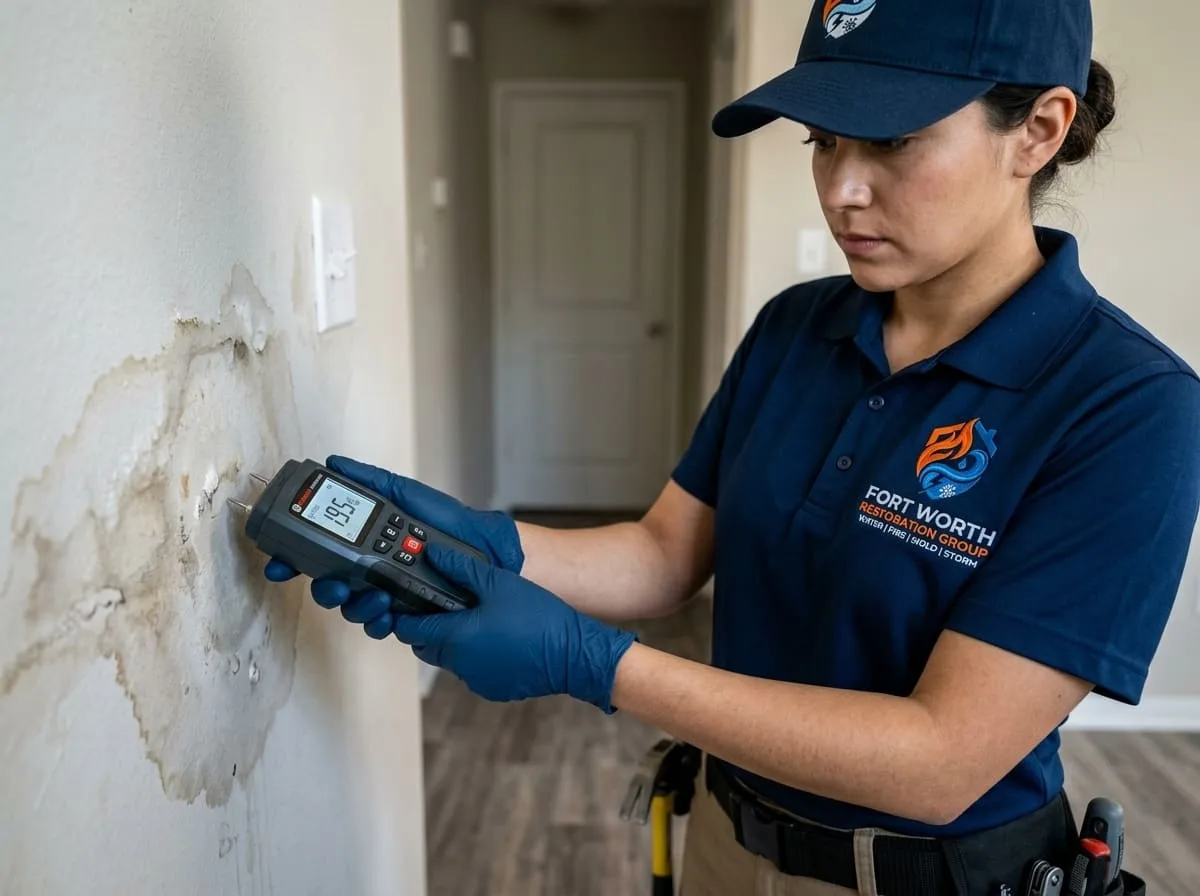
Clearance testing is the last step in a mold remediation job — a way of confirming, rather than assuming, that the work achieved what it set out to do before the area is reopened. It typically comes after all remediation work is finished: affected materials removed, surfaces cleaned, and the space fully dried.
This page covers what post-remediation verification generally involves and why it's worth including as a separate step rather than moving straight from cleanup to reoccupancy.
What Clearance Testing Involves
A visual inspection of the completed work comes first — confirming containment held, affected materials were properly removed, and there's no remaining visible growth or odor. That's typically followed by air and/or surface sampling of the treated area, compared against a baseline sample from an unaffected part of the property or outdoor air, similar to the approach used during initial testing and sampling.
Why an Independent Comparison Matters
Clearance results are meaningful in context — compared against a baseline, not judged against an isolated number on its own. That's part of why the same general sampling approach used before remediation is used again afterward: it gives a like-for-like comparison rather than an arbitrary pass or fail line.
Who Should Perform Clearance Testing
Clearance sampling is coordinated by restoration professionals experienced in mold remediation projects across Fort Worth, not treated as a rubber-stamp step tacked onto the end of a job. Results are reviewed against the pre-remediation findings before containment is removed and the area is returned to normal use.
What Happens If an Area Doesn't Clear
If sampling or a visual recheck shows an area hasn't returned to a normal, acceptable condition, the reasonable next step is additional remediation in that specific area rather than reopening it anyway. This is why clearance is treated as a real checkpoint rather than a formality — it's meant to catch a job that needs more work before anyone moves back in.
Documentation for Insurance, Real Estate, or Peace of Mind
Clearance documentation is often requested for insurance claim files, real estate transactions, or simply for a property owner's own records after a stressful process. That documentation is typically available once clearance is complete.
Frequently Asked Questions
Is clearance testing required after every mold remediation job?
Not always, but it's recommended for anything beyond a small, contained area, and it's often required by insurance carriers or for real estate transactions. For a homeowner's own peace of mind, it's a reasonable step even when not strictly required.
How soon after remediation can clearance testing happen?
Once all remediation work is complete and the area has fully dried, clearance sampling can typically be scheduled right away rather than waiting an extended period.
What happens if the area doesn't pass clearance?
Additional remediation is performed in whatever specific area didn't clear, followed by another round of testing. It's not unusual for larger or more complicated jobs to need a second pass in one section.
Do you provide a written report after clearance?
Documentation of the clearance results is standard and can be provided for insurance, real estate, or personal records.
Related services
Nearby service areas
Ready to Confirm the Job Is Actually Done?
Clearance testing is the difference between assuming a space is safe to use again and confirming it.
Request Water Damage Service