Emergency Fire Damage Restoration in Fort Worth, TX
24/7 dispatch to secure the property, stop secondary damage and begin the fire recovery process the same day.
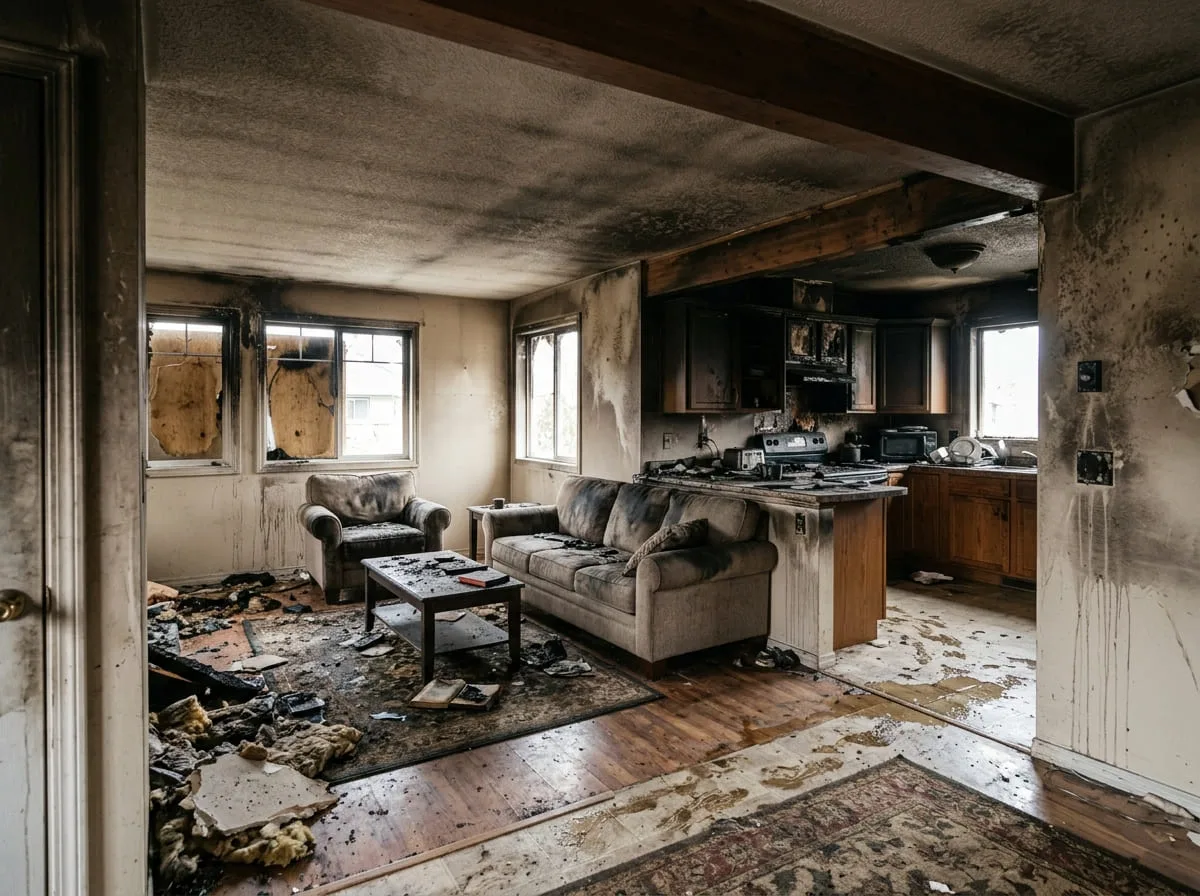
The first few hours after a fire determine a lot about how the rest of the recovery goes. Soot is acidic and starts etching into metal fixtures, grout lines and finishes almost immediately. Smoke continues traveling through ductwork and wall cavities well after the fire is out. And any water used to fight the fire is sitting somewhere in the structure, doing its own damage if it isn't addressed.
Fort Worth Restoration Group routes emergency fire calls to restoration professionals who respond around the clock across Fort Worth and Tarrant County — including overnight, weekends and holidays, when a fire is most likely to happen and least convenient to deal with.
What Happens During an Emergency Response
An emergency fire response typically starts with securing the structure — boarding broken windows, tarping roof openings, and confirming damaged circuits are de-energized if that hasn't already been handled by the fire department or utility. The technicians who respond are trained, insured and equipped for round-the-clock fire and smoke emergencies, and they assess what water was used during suppression, check for structural instability, and document the loss for insurance purposes before any cleaning starts.
This early scope matters because it sets the plan for everything after it. A kitchen fire that stayed contained to one room needs a very different response than a fire that moved into the attic or spread between floors.
Signs the Property Needs Immediate Attention
Some damage is obvious the moment the fire department leaves. Other signs are easy to miss without a professional walkthrough.
- Visible fire or smoke damage to framing, roofing or exterior walls
- Broken windows, doors or roof sections exposing the interior to weather
- A strong smoke odor throughout the property, not just in the room of origin
- Soot residue on walls, ceilings or HVAC vents
- Standing water from firefighting efforts
- Warped, buckled or discolored flooring near the fire's origin
Residential and Commercial Response
House fires and commercial fires get scoped differently. A residential emergency response usually focuses on securing the home, protecting belongings that survived, and getting the family back into a livable space as quickly as possible. A commercial response has to account for business interruption, inventory, equipment and often a much larger structure — a warehouse fire and a house fire aren't the same job scaled up, they're different jobs.
What to Do Before Help Arrives — and What to Avoid
Once the fire department confirms it's safe to approach, avoid re-entering the structure until it's been formally cleared. Don't turn on the HVAC system, since this spreads soot through the ductwork into unaffected rooms. Don't attempt to wipe down soot with household cleaners or a wet rag — the wrong approach can drive soot deeper into a finish rather than lifting it off. And don't discard fire-damaged items before they're documented; even items that look ruined may be needed for the insurance claim or may be salvageable with the right cleaning process.
Frequently Asked Questions
How fast can an emergency fire response happen?
Response times vary by the scope of the loss and current conditions, but restoration professionals serving Fort Worth and Tarrant County are set up to dispatch for emergency fire calls at any hour. Call as soon as the fire department clears the property so board-up and assessment can start the same day.
Is it safe to stay in a home after a small fire?
It depends on what the fire affected. Smoke and soot can spread further than the visible fire damage, and even a small fire can compromise electrical systems or leave a carbon monoxide risk if ventilation was affected. A fire department clearance and a professional assessment are the safest way to know before deciding to stay.
What's the difference between an emergency response and full restoration?
The emergency response is the first phase — securing the property, stopping further damage and documenting the loss. Full restoration, including smoke and soot cleanup, odor treatment, contents handling and any repairs, follows once the property is stable and the scope of work is set.
Will insurance cover an emergency board-up after a fire?
Most homeowners and commercial policies cover reasonable steps taken to prevent further damage after a covered loss, which typically includes emergency board-up and tarping. Confirm the specifics with the insurance carrier, and keep documentation of the work performed.
Related services
Nearby service areas
Every Hour Counts After a Fire
The sooner a fire-damaged property is secured and assessed, the more can typically be saved — help is available around the clock.
Need Help Now? Call (682) 610-3848